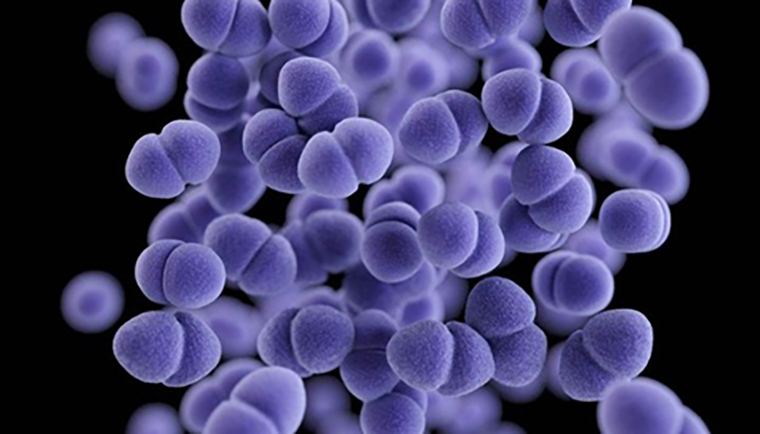
Life Cycle Of Bacteria . Bacterial colonies progress through four phases of growth: There are four main phases in the life cycle of bacteria:
Zombie bacteria are nothing to be afraid of The Source from news.wustl.edu
Lag, exponential (log), stationary, and death. The bacteriophage attaches itself on the surface of bacteria. In this cycle, an e.
Zombie bacteria are nothing to be afraid of The Source
Binary fission is the normal life cycle of a bacterial cell which involves: There are two different life cycles that a bacteriophage exhibits: The malaria parasite life cycle involves two hosts. Coli cell will grow in length, with little change in diameter, until it reaches a ‘critical size, twice a unit cell length.
Source: apps.lucidcentral.org
Check Details
Binary fission is the normal life cycle of a bacterial cell which involves: There are three ways by which the reproduction of bacteria occurs; The bacteria life cycle consists of the lag phase, the log or exponential phase, the stationary phase and the death phase. The malaria parasite life cycle involves two hosts. During this period, the infected may not.
Source: healthjade.com
Check Details
In the lytic cycle, a bacteriophage infects a bacteria and kills it to release progeny virus. The initial phase is the lag phase where bacteria are metabolically active but not dividing. This cycle takes place in the following steps: The bacterial growth curve represents the number of live cells in a bacterial population over a period of time. They understand.
Source: news.wustl.edu
Check Details
Bacteria are necessary for a vernal pool ecosystem to function. They are also very versatile organisms, surviving in extremely inhospitable conditions. The bacterial growth curve represents the number of live cells in a bacterial population over a period of time. In the mean time we talk about life cycle of bacteria worksheet, below we will see various variation of images.
Source: www.wikidoc.org
Check Details
Ovale a dormant stage [hypnozoites] can persist in the liver (if untreated) and cause relapses. Bacterial colonies progress through four phases of growth: Botulinum dna contains a circular chromosome. The bacteriophage attaches itself on the surface of bacteria. Bacteriophages inject dna into the host cell, whereas animal viruses enter by endocytosis or membrane fusion.
Source: www.iflscience.com
Check Details
There are four distinct phases of the growth curve: Bacteriophages have a lytic or lysogenic cycle. The size of their populations can increase very quickly, providing lots of food for other species. The life cycle of bacteria is very fast. Lysogenic cycle or temperate cycle;
Source: teamaquafix.com
Check Details
The bacterial growth curve represents the number of live cells in a bacterial population over a period of time. Factors that trigger bacteria growth heavily rely on this life cycle. Botulinum replicates by binary fission. The ticks feed on blood from animals, attaching to bigger animals as they grow themselves. Such organisms are called extremophiles.
Source: verandahpethospital.blogspot.com
Check Details
There are two different life cycles that a bacteriophage exhibits: The sequence of events extending from the formation of a new cell to the next division is called the cell cycle. Such organisms are called extremophiles. They understand their environment and try to adjust and metabolize. Bacteria multiply through a process known as binary fission.
Source: ipmimages.org
Check Details
Lag, exponential (log), stationary, and death. Bacterial colonies progress through four phases of growth: In the active stage, bacteria grow and reproduce. Lytic cycle or virulent cycle; Prokaryotic and eukaryotic cells worksheet answers, bacteria and virus venn diagram and plant and animal cell venn diagram are three of main things we want to present to you based on the gallery.